


 English
 中文简体
中文简体 русский
Content
Every PVC film producer has experienced the same problem: one roll comes out clear, flat, and dimensionally stable, while the next shows a slight fold, a thickness drift, or a dull patch. The cause is often inside the calender line, not the operator. A PVC film calender machine is the point in the process where temperature, pressure, roll gap, and line speed have to work together. If the machine is not matched to the compound and the final product, even a well-mixed material can turn into rejected film.
The practical rule is to select the calender according to the finished product, not according to maximum speed. Soft film, rigid sheet, thin packaging film, and textured flooring each place different demands on roll temperature, cooling, friction, and haul-off behavior. This article explains how a PVC film calender machine works, how roll configuration affects thickness control, and what to check before purchasing a line.
What a PVC Film Calender Machine Does
A calender is essentially a melt-forming press with heated rolls. PVC compound, after being mixed and fluxed in an internal mixer or a mixing mill, enters the calender feed zone and is pulled into the nip between the rolls. The gap between the rolls defines the initial gauge, while the roll surface temperature controls gloss, release, and surface quality. After the film leaves the calender, it passes over cooling drums, through an embossing or polishing stack, and then to a winding unit.
The word "calender" alone does not describe the full process. A modern line includes dosing and mixing equipment, a kneader or mill, the calender frame, a cooling section, a thickness gauge, and a winder. When all these stages are sized correctly, the machine can hold stable gauge for hours. When one stage is undersized, the symptoms appear at the calender, but the source may be upstream in the compound preparation.
Soft Film Line vs. Rigid Sheet Line
The first selection decision is the product family. Soft PVC film contains plasticizer, giving the material a flexible, drapable character. Rigid PVC sheet uses low or no plasticizer, so the finished product is stiff and often optically clear. These two materials need different roll conditions, cooling methods, and downstream handling systems.
| Parameter | Soft PVC Film | PVC Rigid Sheet |
|---|---|---|
| Plasticizer level | High | Low or none |
| Typical thickness | 0.08-1.0 mm | 0.2-3.0 mm or more |
| Roll temperature | Lower, to control sticking | Higher, to promote flow |
| Cooling approach | Gradual cooling over multiple drums | Controlled cooling to avoid warping |
| Common products | Door curtains, flexible flooring, table covers | Signboard sheet, folding cartons, thermoforming sheet |
For flexible film, a PVC plastic soft film calendering machine is usually the right starting point because it is designed around plasticizer-rich compounds, high winding speeds, and a polished roll stack that minimizes surface defects. For products that must keep their shape without sagging, a PVC rigid sheet calendering line provides stronger take-off equipment and more controlled cooling to prevent the sheet from warping as it solidifies.
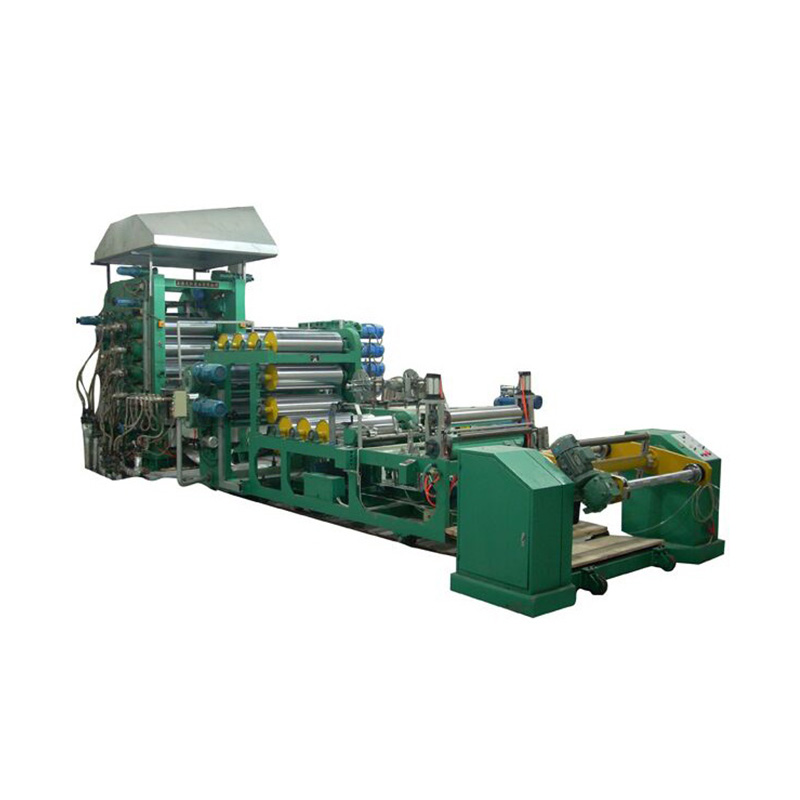 PVC Rigid Sheet Calendering Line Suppliers, Company - Anhui Sincere Machinery CoAs top PVC Rigid Sheet Calendering Line Suppliers and Company in China, Sincere Machinery offer Custom PVC Rigid Sheet Calendering Line f...View Product →
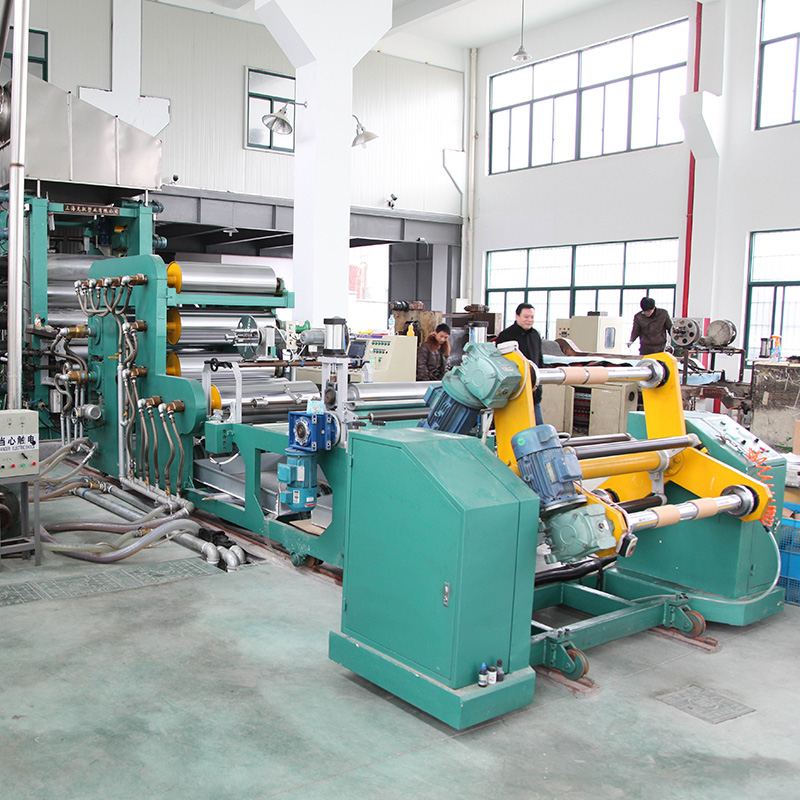 PVC Plastic Soft Film Calendering Machine Suppliers, Company - Anhui Sincere MacAs top PVC Plastic Soft Film Calendering Machine Suppliers and Company in China, Sincere Machinery offer Custom PVC Plastic Soft Film Cal...View Product →
Key Components That Affect Performance
Beyond the roll stack, several components decide whether a PVC film calender machine will deliver repeatable results.
- Heated rolls with precision chrome surfaces. The contact surface determines gloss, release, and the appearance of pinholes or flow lines.
- Thermal oil heating unit. Stable roll temperature across the full width prevents sticking and gauge variation. The roller surface finish in PVC film lines is directly related to final optical quality and release behavior.
- Roll gap adjustment. Screwdown systems with fine adjustment convert the pressure in the nip into uniform sheet thickness.
- Post-calender haul-off. The pull ratio between the calender and the cooling drums affects shrinkage and residual stress in the finished film.
- Online gauge measurement. A feedback-controlled gauge system automatically corrects thickness deviations before they become long defects.
Roll Configuration and Thickness Control
Roll arrangement is the most visible specification on a PVC film calender machine, and for good reason. Each added nip gives the molten PVC another chance to smooth out thickness differences, eliminate tiny bubbles, and improve surface uniformity. A two-roll calender is rarely used for PVC film because it offers only one nip and limited thermal stability. A three-roll unit can produce simple film, but a four-roll arrangement has become the standard for high-output soft film lines because the film is finished in two nips and then cooled quickly.
Five- and six-roll configurations provide even more smoothing. They are useful for very thin film or for applications requiring premium gloss, because the film is exposed to additional pressure and heat transfer before it reaches the cooling drums. For that type of production, a 5-6 roller plastic calender machine can be the difference between average quality and a high-end surface. Whatever the number of rolls, the real test is whether the machine can keep the nip gap, roll speed, and temperature stable from the start to the end of a production run.
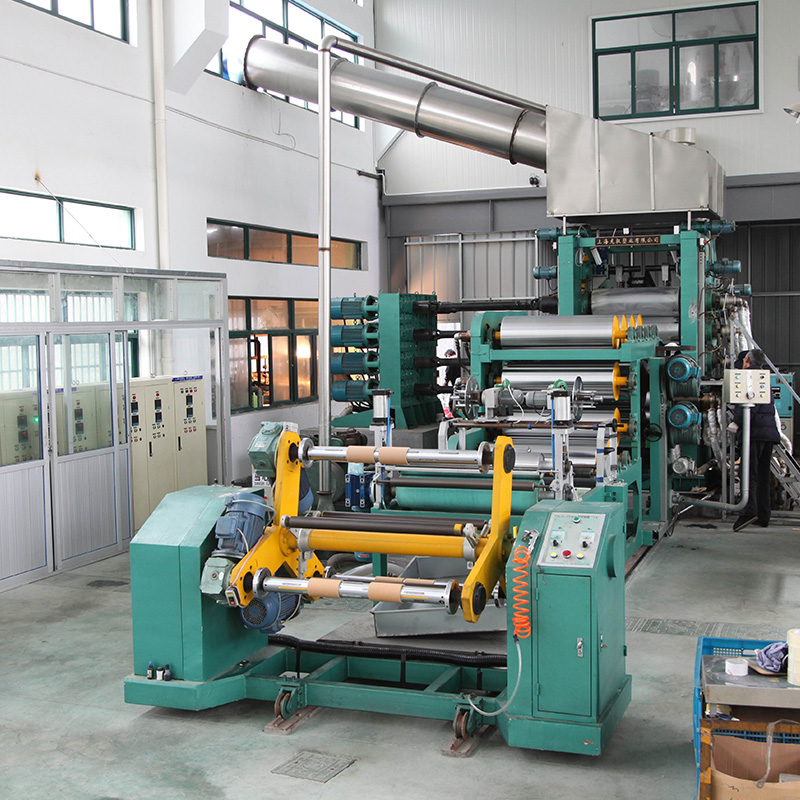 5/6 Roller Plastic Calender Machine Suppliers, Company - Anhui Sincere MachineryAs top 5/6 Roller Plastic Calender Machine Suppliers and Company in China, Sincere Machinery offer Custom 5/6 Roller Plastic Calender Mac...View Product →
How to Choose the Right PVC Film Calender Machine
A calender purchase is a long-term decision. Before comparing quotations, define the film width, target gauge range, output speed, and raw material formulation. The machine must be sized for the highest plasticizer level you plan to use, especially if you want to run flexible film.
- Define the exact products first. A line built for flexible door curtain film will need different cooling and winding than a line made for rigid signboard sheet.
- Ask about thickness tolerance. Film below 0.15 mm demands tighter roll runout and more automatic gap control than thick rigid sheet.
- Check line speed against cooling capacity. At high speed, the film must lose enough heat before winding to avoid blocking and shrinkage.
- Consider service and commissioning. Operators need clear instructions for start-up, cleaning, roll changes, and maintenance.
You can also review a typical layout for calender-based PVC lines in the plastic products solutions section to see how mixing, calender, and downstream equipment fit together.
Getting a PVC film calender machine right means thinking about the full process, not just the number of rolls. A calender produces saleable film only when compound formulation, heating, cooling, embossing, and winding all work around the same target. Start with your product dimensions and tolerance requirements, then compare roll configuration, thermal control, and line speed. Ask how the machine behaves on your specific formulation, and choose a line that leaves room for production flexibility.
 Previous