


 English
 中文简体
中文简体 русский
Content
On a sunny July afternoon, the black rubber roof above a 10,000-square-meter logistics center can easily reach 70°C. The seals around the loading dock doors face the same heat, plus ozone and ultraviolet radiation, day after day. In winter, those same components may see temperatures as low as -30°C. Very few elastomers survive that range without cracking or stiffening. Ethylene propylene diene monomer (EPDM) does, and that is exactly why it has become the default material for low-slope roofing membranes, automotive weatherstripping, and outdoor gaskets.
What Is Ethylene Propylene Diene Monomer (EPDM)?
Ethylene propylene diene monomer is a synthetic terpolymer produced by copolymerizing ethylene and propylene with a small amount of a non-conjugated diene. The polymer chain has a fully saturated backbone, while the diene termonomer — usually ethylidene norbornene (ENB) or dicyclopentadiene (DCPD) — introduces reactive side groups that allow sulfur or peroxide vulcanization.
The letter "M" in the EPDM designation refers to the ASTM classification for rubbers with a saturated polymethylene-type backbone. Commercial EPDM grades typically contain 45% to 75% ethylene and 2% to 8% diene. Higher ethylene content improves green strength and makes the compound easier to process into sheets and profiles; higher diene content provides more crosslinking sites, which raises hardness and modulus while slightly reducing heat resistance. These compositional variables explain why two products both sold as "EPDM" can perform very differently in the same application.
Key Properties of EPDM Rubber
Five properties drive most EPDM selection decisions. Understanding each one helps you avoid the common mistake of specifying the right polymer but the wrong compound.
Weather and Ozone Resistance
The saturated backbone of EPDM is essentially immune to ozone attack. Natural rubber and SBR can develop ozone cracks within weeks of outdoor exposure, while EPDM compounds withstand years of direct sunlight and rain without surface cracking. This single property is why EPDM dominates roofing and exterior sealing.
Heat and Steam Resistance
EPDM operates continuously at 120°C to 130°C, with intermittent peaks up to 150°C depending on the cure system. Peroxide-cured compounds are preferred for high-temperature service because they form carbon-to-carbon crosslinks that are more stable than the polysulfide linkages from sulfur cure. EPDM also resists steam and hot water exceptionally well, making it the standard choice for boiler seals, radiator hoses, and appliance gaskets.
Chemical and Water Resistance
EPDM resists water, dilute acids, alkalis, ketones, alcohols, and phosphate ester fluids. However, it swells significantly in contact with petroleum oils, mineral oils, and hydrocarbon solvents. If a component will regularly touch engine oil or diesel fuel, EPDM is the wrong material — that is the most costly substitution error made when selecting rubber.
Low-Temperature Flexibility
Properly formulated EPDM remains flexible down to roughly -45°C to -50°C, depending on ethylene content and plasticizer selection. It covers the range needed by virtually all automotive and industrial outdoor applications, though silicone rubber still wins in extreme cold beyond -60°C.
Electrical Insulation
With a volume resistivity between 1015 and 1017 ohm·cm, EPDM is a reliable electrical insulator for low- and medium-voltage cable insulation and molded components.
How EPDM Compares with Other Rubbers
The table below summarizes how EPDM behaves relative to other common rubbers in the properties that matter most during material selection.
| Property | EPDM | Natural Rubber | Nitrile (NBR) | Chloroprene (CR) |
|---|---|---|---|---|
| Ozone resistance | Excellent | Poor | Poor | Good |
| Continuous heat resistance | 130°C | 90°C | 100°C | 110°C |
| Oil resistance | Poor | Poor | Excellent | Moderate |
| Water and steam resistance | Excellent | Good | Moderate | Good |
| Low-temperature flexibility | Excellent | Excellent | Moderate | Good |
| Relative cost | Moderate | Low | Moderate | High |
The practical takeaway is straightforward: choose EPDM when the environment is wet, hot, or sunny and no petroleum fluid contacts the material. When oil resistance is required, nitrile rubber or a fluoroelastomer will serve better.
Main Applications of EPDM Rubber
Roofing and Construction
Single-ply EPDM roofing membranes have been installed for more than 40 years and remain a standard option for low-slope commercial roofs. The same weather resistance makes EPDM a leading material for pond liners, drinking-water tank seals, window gaskets, and expansion-joint covers.
Automotive Components
Weatherstripping around doors, trunk lids, and sunroofs is almost always made of EPDM foam or solid profiles. Radiator and heater hoses, brake-system seals, and wiring grommets also rely on the material's resistance to heat, water, and automotive coolant fluids.
Electrical Cable Insulation
EPDM compounds insulate low-voltage power cables, control cables, and motor lead wires. The rubber's ozone resistance is especially beneficial in outdoor cable runs, where surface cracking from ozone would eventually destroy other materials.
Industrial Rubber Sheets and Matting
Calendered EPDM sheeting is a common industrial product for gaskets, vibration-isolation pads, floor protection, and outdoor surface covers. Buyers select EPDM sheet when they need a flat rubber material that will remain stable on a roof, factory floor, or outdoor platform without degrading under sunlight, rain, or cold.
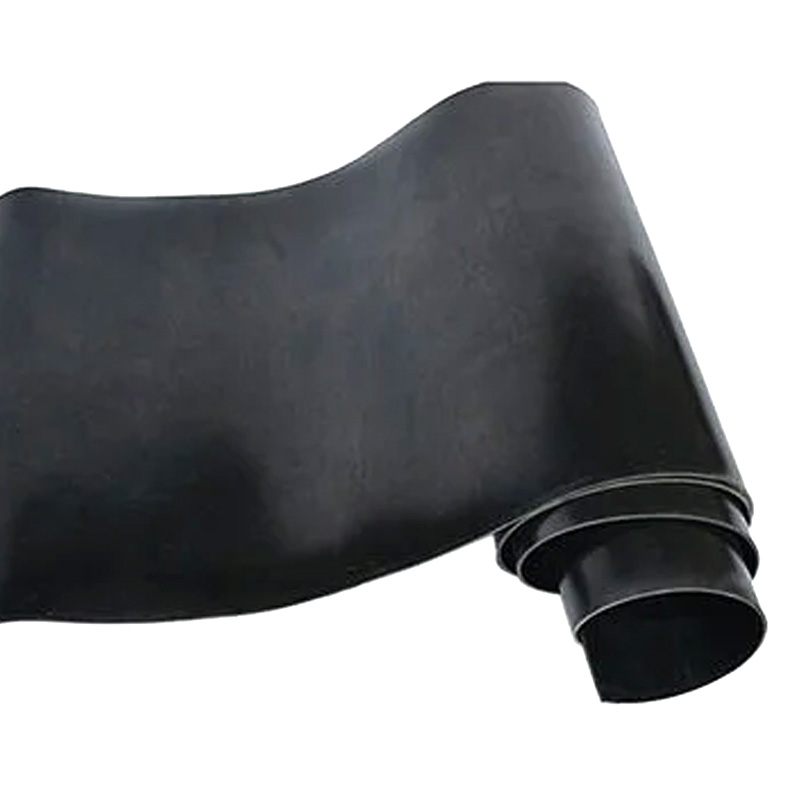 Weather-Resistant EPDM Rubber Sheet for Sealing and ProtectionThis EPDM sheet withstands sunlight, rain, and temperature swings from -40°C to 150°C, making it a durable choice for outdoor gaskets, roofing pads, and vibration isolation in demanding industrial settings.View Product →
Anti-slip rubber mats made from EPDM handle the same exposure and add a wear-resistant surface pattern. These mats are commonly installed at workshop entrances, on truck steps, on ramps, and in livestock areas, where the rubber must stay flexible and slip-resistant under continuous foot traffic.
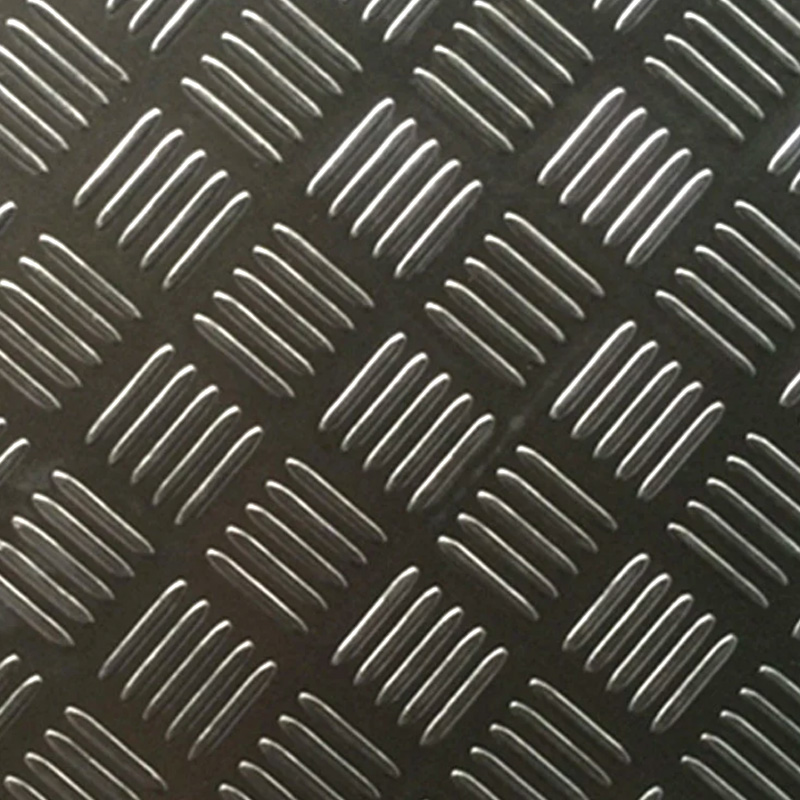 Durable Checker Rubber Mat with Anti-Slip SurfaceFeaturing a raised checkered pattern, this rubber mat provides reliable traction and shock absorption for workshops, truck steps, and ramps, where continuous foot traffic and wet or oily conditions demand slip resistance.View Product →
How EPDM Products Are Manufactured
The final performance of an EPDM product is decided in the compounding stage. Polymer, carbon black, plasticizers, curing agents, and accelerators are weighed and mixed in an internal mixer, then further homogenized on an open mixing mill. Poor dispersion of carbon black or curing agents shows up later as inconsistent hardness, weak tensile strength, or uneven compression set in the finished part.
Sheets are formed by passing the compound through a rubber calender with two or three rolls to control thickness, while profiles and hoses are made with hot-feed or cold-feed extruders. Molded parts such as seals and gaskets are cured in a compression molding or injection molding press, where heat and pressure trigger vulcanization. Consistent quality depends on both the recipe and the condition of the processing equipment; a practical guide to rubber processing machinery explains the capabilities and limits of each machine type.
For buyers, this matters because the same EPDM polymer can yield very different end products depending on mixing, forming, and curing. A sheet produced on a calender with worn rolls shows thickness variation across its width, while a molded seal with insufficient cure time fails far earlier than the material itself would suggest.
Practical Buying Considerations for EPDM Products
When evaluating any EPDM product, ask for the complete compound specification and keep these five parameters in mind:
- Hardness (Shore A)
- Compression set at operating temperature
- Thickness tolerance
- Reinforcement, such as fabric insertion
- Cure system, peroxide or sulfur
Hardness and Compression Set
Hardness is usually the first specification listed, with a typical Shore A range of 40 to 90 for EPDM products. The right value depends on the sealing pressure and how much movement the part must absorb. For static gaskets, compression set matters even more than hardness. Ask for compression set data measured at 70°C or 100°C, not only at room temperature, because real service conditions are almost always hotter.
Thickness and Tolerances
For sheets and mats, nominal thickness is rarely enough. Ask about thickness tolerance across the full roll width. A 3 mm sheet that measures 2.5 mm near the edges can create gaps in sealing applications. Quality calendered EPDM sheet is typically held to roughly ±0.2 to ±0.3 mm, and that tolerance should be confirmed before you place a large order.
Reinforcement
Where dimensional stability and tensile strength are critical, EPDM sheeting with fabric insertion is the right choice. A woven polyester or nylon layer prevents the sheet from stretching during installation and under mechanical load. For roofing and heavy matting, fabric reinforcement is often more important than the polymer grade itself.
Cure System and Additives
Peroxide-cured EPDM offers better heat resistance and lower compression set, while sulfur-cured compounds are easier to process and generally deliver higher physical strength at lower cost. Carbon black type, plasticizer choice, and process oil content all influence price and performance. Compare the full compound specification, not just the product name, when sourcing EPDM for a demanding environment.
If you are planning rubber components for outdoor, wet, or high-temperature service, it is worth reviewing how EPDM sheets, anti-slip matting, and curing equipment fit into the rest of your production line. A broader overview of rubber product solutions can help you coordinate material selection with the right manufacturing processes.
Final Thoughts
EPDM rubber is the dependable workhorse of the elastomer family. Its weather resistance, heat tolerance, water resistance, and electrical insulation are not the best in any single category, but the combination of all four at a moderate price is what keeps the material specified across roofing, automotive, appliance, and industrial applications. The most important selection rule is also the simplest: use EPDM only where petroleum oils are absent. When that condition is met, and when compounding and processing are done correctly, EPDM products routinely outlast the equipment they are fitted to.
 Previous